 Skip to main content
Skip to footer
Skip to main content
Skip to footer
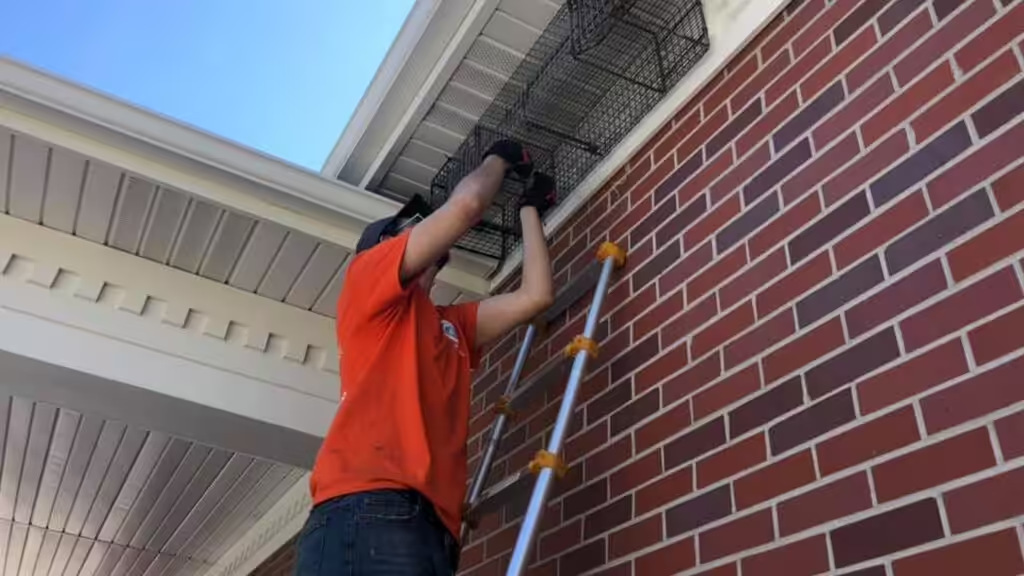
Yes, but only if the company holds a Nuisance Wildlife Control Operator permit from the Iowa DNR. Getting one means passing a written exam and sitting through an interview on wildlife handling. It also has to be renewed every year to stay valid. A company working without that permit has no state oversight if something goes wrong, and legally has no business doing the job at all. Ask to see the actual permit number before you agree to anything; a vague answer is usually the clearest sign there isn’t one.
A raccoon tears open a soffit vent at 2 a.m., and by morning there’s insulation hanging out of the ceiling and a phone full of search results for wildlife control companies in Des Moines. Every listing promises to be licensed, humane, and fast. Iowa actually spells out what “licensed” is supposed to mean for this kind of work, and knowing that list before you call anyone puts you in a much stronger position than comparing star ratings.
Does the Company Hold an Iowa NWCO Permit?
Anyone who charges a fee to trap and remove nuisance wildlife in Iowa needs a Nuisance Wildlife Control Operator permit issued by the Iowa DNR. Getting one isn’t a formality. Applicants have to be at least 18, hold a valid driver’s license, pass a written exam with a minimum score of 80 percent, and sit through an in-person interview where a DNR representative tests their knowledge of wildlife behavior and capture methods.
On top of that, the operator needs a current fur harvester license and a paid habitat fee before the state will even issue the permit. The DNR renews it every year, and only after the operator files an activity report covering the year before, so a permit that’s been sitting unused doesn’t stay valid for long.
Before you hire a wildlife control company in Des Moines, ask a few direct questions:
- Ask to see the current NWCO permit number, not just a business license.
- A vague answer about permit status usually means there isn’t one.
- If you sense any hesitation, keep calling around.
What Happens If a Company Skips This Step
Operating without a permit is a simple misdemeanor under Iowa’s administrative code, and the DNR can suspend or refuse a permit over violations committed by the operator or anyone working under them. For a homeowner, hiring an unlicensed operator means there’s no state oversight of how the animal gets captured, no accountability if a trap injures a pet, and no paperwork if something goes wrong on the property.
An unlicensed company has nothing forcing it to make things right if a technician gets hurt or an animal gets handled illegally, because as far as the state is concerned, that company was never authorized to be there in the first place. That gap tends to show up later, usually when a neighbor or a city inspector asks a question nobody can answer.
What Happens to the Animal After It’s Caught?
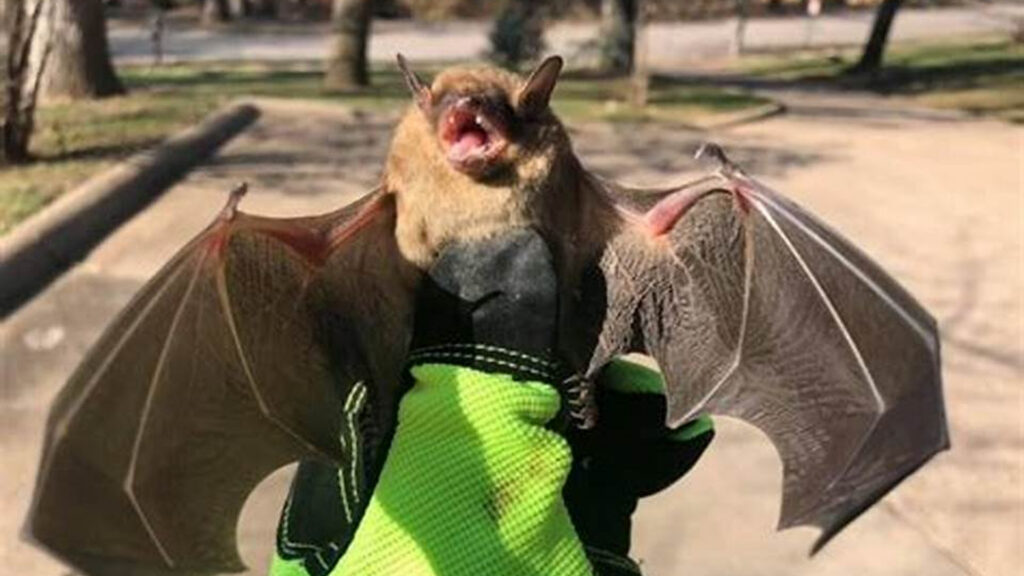
Iowa gives permittees two options for captured nuisance wildlife: relocate it or euthanize it, using methods laid out in the DNR’s operator guidebook, and any carcass has to be handled within 24 hours. Permittees can’t touch anything listed as endangered or threatened. Bobcats, spotted skunks, hawks, owls, eagles, and most migratory birds are all off limits, and a licensed operator who runs into one has to call a conservation officer instead of handling it directly.
Bats work a little differently. Iowa strips protected status from any bat, other than the Indiana bat, found inside an occupied building. That’s the legal basis for excluding a bat colony from a Des Moines attic instead of leaving it in place indefinitely, and it’s a distinction a lot of homeowners have never heard of until they’re dealing with one.
Why the Answer Matters for Your Liability
If a company can’t explain what happens to the animal after removal, pause there. A vague answer can mean the operator is releasing wildlife somewhere it shouldn’t be, skipping the species restrictions altogether, or simply guessing at the rules. Those outcomes aren’t yours to manage directly, but if a neighbor complains or a conservation officer gets involved, you’re the one who let that operator onto your property, and your address is the one that ends up in the report.
Will They Show You a Record of the Work?
Every NWCO permit holder in Iowa has to keep a daily record of each job: the client’s name and address, the date of service, the species involved, the number of animals removed, the method used, and what happened to the animal afterward. The DNR can request that record for inspection at any time, and a company that hands it over without stalling is operating the way the state actually expects, not just the way its website describes.
A real service record should include:
- The exact species removed, not a general description.
- Whether the animal was relocated or handled another way.
- A written note if a protected species was found and reported instead of removed.
Do They Know Des Moines Wildlife Patterns?
Des Moines sits where the Raccoon River meets the Des Moines River, and a lot of the neighborhoods closest to that confluence, places like Sherman Hill and Beaverdale, are still full of century-old homes with masonry chimneys, wood soffits, and gaps around the sill plate that newer construction doesn’t have.
Once an Iowa winter sets in, raccoons, squirrels, and the occasional opossum start looking for a dry, insulated space to den. An uncapped chimney or a soft spot along an old roofline is exactly what they’re after, and it’s rarely the whole roof that’s the problem, just one weak point the animal already knows about. A wildlife control company that works this city every week should be able to tell you, before anyone climbs a ladder, where your particular style of house is most likely to have let something in, and why that spot tends to fail before the rest of the structure does.
Local Entry Points Worth Asking About
- Chimney caps, especially on older homes without a spark arrestor.
- Soffit returns where old wood has softened or pulled away.
- Gaps around the sill plate on houses built before 1960.
- Dryer vent covers that no longer close all the way.
If you’re comparing wildlife control companies in Des Moines this winter, ask the questions above before you ask about price. Answers that come easily usually belong to a company that does this work the way the state requires. Answers that come slowly usually don’t.
Common Complaints About Other Wildlife Companies
When we look at other wildlife control companies in the area, the same gaps in service show up again and again, and they’re a big part of why we built ours the opposite way.
One homeowner paid $259 plus tax just for an assessment, and the technician was gone in under an hour without ever checking the crawl space or attic where the animal actually was. What came next was a separate $550 repair estimate, stacked on top of the fee already paid, for a look that barely happened. We don’t charge for that step at all. Every inspection is free, and once we’re on the job, there’s no trap check fee, no per-animal fee, and no trap reset fee tacked on. One number, quoted before any work starts, covers it.
Service tends to fall apart with other wildlife companies after the sale too. Jobs get scheduled, then pushed back, then missed, and homeowners end up chasing a company by phone just to get already-paid-for work finished. We do the opposite: our team texts ahead of arrival, walks you through what they found, and follows up after the job’s done, not just before you pay.
Other companies get you in the door with an inspection fee and hope the rest works out. We get you a straight answer, a fair number, and a technician who actually shows up.
Wildlife control covers more than raccoons and bats. We also handle squirrels, groundhogs, mice, birds, and snakes across Des Moines, Omaha, and Lincoln, so whatever’s gotten into your attic, walls, or yard, there’s a good chance we’ve already dealt with it.
As a licensed wildlife control company, we hold an Iowa NWCO permit, we keep the service records the state requires, and we can walk you through exactly what happens to an animal after it leaves your attic. Call us at (515) 985-0772 to talk through what’s going on at your house, or to get a second opinion on a quote you already have.
